• 𝐎𝐖𝐀𝐒𝐏 𝐓𝐨𝐩 𝟏𝟎 (𝟐𝟎𝟐𝟓): 𝐀𝐫𝐞 𝐘𝐨𝐮𝐫 𝐖𝐞𝐛 𝐀𝐩𝐩𝐬 𝐑𝐞𝐚𝐥𝐥𝐲 𝐒𝐞𝐜𝐮𝐫𝐞?

    Every year, attackers get smarter and the OWASP Top 10 2025 shows exactly where web applications are still breaking.

    𝐑𝐢𝐬𝐤𝐬 𝐘𝐨𝐮 𝐂𝐚𝐧’𝐭 𝐈𝐠𝐧𝐨𝐫𝐞
    𝐁𝐫𝐨𝐤𝐞𝐧 𝐀𝐜𝐜𝐞𝐬𝐬 𝐂𝐨𝐧𝐭𝐫𝐨𝐥 – Simple URL changes exposing restricted data
    𝐒𝐞𝐜𝐮𝐫𝐢𝐭𝐲 𝐌𝐢𝐬𝐜𝐨𝐧𝐟𝐢𝐠𝐮𝐫𝐚𝐭𝐢𝐨𝐧𝐬 – Default settings and rushed deployments creating easy entry points
    𝐒𝐨𝐟𝐭𝐰𝐚𝐫𝐞 & 𝐃𝐚𝐭𝐚 𝐈𝐧𝐭𝐞𝐠𝐫𝐢𝐭𝐲 𝐅𝐚𝐢𝐥𝐮𝐫𝐞𝐬 – Unverified updates and risky dependencies
    𝐂𝐫𝐲𝐩𝐭𝐨𝐠𝐫𝐚𝐩𝐡𝐢𝐜 𝐅𝐚𝐢𝐥𝐮𝐫𝐞𝐬 – Weak encryption and poor key management
    𝐈𝐧𝐣𝐞𝐜𝐭𝐢𝐨𝐧 𝐀𝐭𝐭𝐚𝐜𝐤𝐬 – SQL/NoSQL payloads slipping through unsafe inputs
    𝐈𝐧𝐬𝐞𝐜𝐮𝐫𝐞 𝐃𝐞𝐬𝐢𝐠𝐧 – Security missing at the architecture level
    𝐀𝐮𝐭𝐡𝐞𝐧𝐭𝐢𝐜𝐚𝐭𝐢𝐨𝐧 𝐅𝐚𝐢𝐥𝐮𝐫𝐞𝐬 – Weak passwords, no MFA, broken sessions
    𝐋𝐨𝐠𝐠𝐢𝐧𝐠 & 𝐌𝐨𝐧𝐢𝐭𝐨𝐫𝐢𝐧𝐠 𝐆𝐚𝐩𝐬 – Attacks happening without alerts
    𝐒𝐒𝐑𝐅 – Abused server-side requests and mishandled logic

    𝐑𝐞𝐚𝐝 𝐭𝐡𝐞 𝐟𝐮𝐥𝐥 𝐈𝐧𝐟𝐨𝐬𝐞𝐜𝐓𝐫𝐚𝐢𝐧 𝐚𝐫𝐭𝐢𝐜𝐥𝐞 𝐡𝐞𝐫𝐞: https://www.infosectrain.com/blog/what-you-need-to-know-about-the-owasp-top-10-2025

    #OWASPTop10 #AppSec #CyberSecurity #RedTeam #InfosecTrain
    𝐎𝐖𝐀𝐒𝐏 𝐓𝐨𝐩 𝟏𝟎 (𝟐𝟎𝟐𝟓): 𝐀𝐫𝐞 𝐘𝐨𝐮𝐫 𝐖𝐞𝐛 𝐀𝐩𝐩𝐬 𝐑𝐞𝐚𝐥𝐥𝐲 𝐒𝐞𝐜𝐮𝐫𝐞? Every year, attackers get smarter and the OWASP Top 10 2025 shows exactly where web applications are still breaking. ✅ 𝐑𝐢𝐬𝐤𝐬 𝐘𝐨𝐮 𝐂𝐚𝐧’𝐭 𝐈𝐠𝐧𝐨𝐫𝐞 🔹 𝐁𝐫𝐨𝐤𝐞𝐧 𝐀𝐜𝐜𝐞𝐬𝐬 𝐂𝐨𝐧𝐭𝐫𝐨𝐥 – Simple URL changes exposing restricted data 🔹𝐒𝐞𝐜𝐮𝐫𝐢𝐭𝐲 𝐌𝐢𝐬𝐜𝐨𝐧𝐟𝐢𝐠𝐮𝐫𝐚𝐭𝐢𝐨𝐧𝐬 – Default settings and rushed deployments creating easy entry points 🔹𝐒𝐨𝐟𝐭𝐰𝐚𝐫𝐞 & 𝐃𝐚𝐭𝐚 𝐈𝐧𝐭𝐞𝐠𝐫𝐢𝐭𝐲 𝐅𝐚𝐢𝐥𝐮𝐫𝐞𝐬 – Unverified updates and risky dependencies 🔹𝐂𝐫𝐲𝐩𝐭𝐨𝐠𝐫𝐚𝐩𝐡𝐢𝐜 𝐅𝐚𝐢𝐥𝐮𝐫𝐞𝐬 – Weak encryption and poor key management 🔹𝐈𝐧𝐣𝐞𝐜𝐭𝐢𝐨𝐧 𝐀𝐭𝐭𝐚𝐜𝐤𝐬 – SQL/NoSQL payloads slipping through unsafe inputs 🔹𝐈𝐧𝐬𝐞𝐜𝐮𝐫𝐞 𝐃𝐞𝐬𝐢𝐠𝐧 – Security missing at the architecture level 🔹𝐀𝐮𝐭𝐡𝐞𝐧𝐭𝐢𝐜𝐚𝐭𝐢𝐨𝐧 𝐅𝐚𝐢𝐥𝐮𝐫𝐞𝐬 – Weak passwords, no MFA, broken sessions 🔹𝐋𝐨𝐠𝐠𝐢𝐧𝐠 & 𝐌𝐨𝐧𝐢𝐭𝐨𝐫𝐢𝐧𝐠 𝐆𝐚𝐩𝐬 – Attacks happening without alerts 🔹𝐒𝐒𝐑𝐅 – Abused server-side requests and mishandled logic 👉 𝐑𝐞𝐚𝐝 𝐭𝐡𝐞 𝐟𝐮𝐥𝐥 𝐈𝐧𝐟𝐨𝐬𝐞𝐜𝐓𝐫𝐚𝐢𝐧 𝐚𝐫𝐭𝐢𝐜𝐥𝐞 𝐡𝐞𝐫𝐞: https://www.infosectrain.com/blog/what-you-need-to-know-about-the-owasp-top-10-2025 #OWASPTop10 #AppSec #CyberSecurity #RedTeam #InfosecTrain
    WWW.INFOSECTRAIN.COM
    What you need to know about the OWASP Top 10 2025?
    A complete guide to OWASP Top 10 2025 covering the latest web vulnerabilities, attack trends, and mitigation strategies.
    0 Σχόλια 0 Μοιράστηκε 1315 Views 0 Προεπισκόπηση
  • 𝐘𝐨𝐮𝐫 𝐖𝐢-𝐅𝐢 𝐍𝐞𝐭𝐰𝐨𝐫𝐤 𝐌𝐢𝐠𝐡𝐭 𝐁𝐞 𝐌𝐨𝐫𝐞 𝐔𝐧𝐝𝐞𝐫𝐦𝐢𝐧𝐞𝐝 𝐓𝐡𝐚𝐧 𝐘𝐨𝐮 𝐈𝐦𝐚𝐠𝐢𝐧𝐞

    Not every wireless attack involves a direct attack and gaining access first.
    Some of them simply rely on the waiting period for you to connect.

    𝐂𝐨𝐦𝐦𝐨𝐧 𝐖𝐢𝐫𝐞𝐥𝐞𝐬𝐬 𝐇𝐚𝐜𝐤𝐢𝐧𝐠 𝐌𝐞𝐭𝐡𝐨𝐝𝐬:
    • 𝐄𝐯𝐢𝐥 𝐓𝐰𝐢𝐧 𝐀𝐭𝐭𝐚𝐜𝐤𝐬 – PHony Wi-Fi networks simulating the real ones to carry out man-in-the-middle attacks
    • 𝐏𝐚𝐜𝐤𝐞𝐭 𝐒𝐧𝐢𝐟𝐟𝐢𝐧𝐠– Obtaining unencrypted data flowing on networks considered public or poorly secured
    • 𝐏𝐚𝐬𝐬𝐰𝐨𝐫𝐝 𝐂𝐫𝐚𝐜𝐤𝐢𝐧𝐠 – Weak passwords and old protocols like WEP can be hacked in just a few minutes
    • 𝐖𝐢-𝐅𝐢 𝐉𝐚𝐦𝐦𝐢𝐧𝐠 – Overloading the radio channels to cut off users from the network or to conduct further attacks

    🛡 𝐑𝐢𝐬𝐤 𝐑𝐞𝐝𝐮𝐜𝐭𝐢𝐨𝐧 𝐓𝐢𝐩𝐬 𝐟𝐨𝐫 𝐎𝐫𝐠𝐚𝐧𝐢𝐳𝐚𝐭𝐢𝐨𝐧𝐬 & 𝐈𝐧𝐝𝐢𝐯𝐢𝐝𝐮𝐚𝐥𝐬:
    ✔ Choose strong, distinct passwords
    ✔ Activate WPA3 encryption
    ✔ Always update router firmware
    ✔ Turn off WPS
    ✔ Public Wi-Fi should not be used for sensitive transactions
    ✔ Make use of trusted VPN services

    𝐑𝐞𝐚𝐝 𝐭𝐡𝐞 𝐈𝐧𝐟𝐨𝐬𝐞𝐜𝐓𝐫𝐚𝐢𝐧 𝐚𝐫𝐭𝐢𝐜𝐥𝐞: https://www.infosectrain.com/blog/top-wireless-hacking-techniques

    𝐓𝐡𝐞 𝐈𝐦𝐩𝐨𝐫𝐭𝐚𝐧𝐜𝐞 𝐨𝐟 𝐓𝐡𝐢𝐬:
    Data protection and secure networks maintenance are no longer possible without understanding wireless attack vectors considering 45% increase in IoT cyberattacks and the daily use of millions of public Wi-Fi hotspots.

    𝐒𝐞𝐜𝐮𝐫𝐢𝐭𝐲 𝐬𝐭𝐚𝐫𝐭𝐬 𝐰𝐢𝐭𝐡 𝐚𝐰𝐚𝐫𝐞𝐧𝐞𝐬𝐬. 𝐏𝐫𝐨𝐭𝐞𝐜𝐭𝐢𝐨𝐧 𝐬𝐭𝐚𝐫𝐭𝐬 𝐰𝐢𝐭𝐡 𝐚𝐜𝐭𝐢𝐨𝐧.

    #CyberSecurity #WirelessSecurity #EthicalHacking #CEHv13 #NetworkSecurity #InfosecTrain #GRC #ITSecurity #CyberAwareness
    🔐 𝐘𝐨𝐮𝐫 𝐖𝐢-𝐅𝐢 𝐍𝐞𝐭𝐰𝐨𝐫𝐤 𝐌𝐢𝐠𝐡𝐭 𝐁𝐞 𝐌𝐨𝐫𝐞 𝐔𝐧𝐝𝐞𝐫𝐦𝐢𝐧𝐞𝐝 𝐓𝐡𝐚𝐧 𝐘𝐨𝐮 𝐈𝐦𝐚𝐠𝐢𝐧𝐞 Not every wireless attack involves a direct attack and gaining access first. Some of them simply rely on the waiting period for you to connect. ➡️ 𝐂𝐨𝐦𝐦𝐨𝐧 𝐖𝐢𝐫𝐞𝐥𝐞𝐬𝐬 𝐇𝐚𝐜𝐤𝐢𝐧𝐠 𝐌𝐞𝐭𝐡𝐨𝐝𝐬: • 𝐄𝐯𝐢𝐥 𝐓𝐰𝐢𝐧 𝐀𝐭𝐭𝐚𝐜𝐤𝐬 – PHony Wi-Fi networks simulating the real ones to carry out man-in-the-middle attacks • 𝐏𝐚𝐜𝐤𝐞𝐭 𝐒𝐧𝐢𝐟𝐟𝐢𝐧𝐠– Obtaining unencrypted data flowing on networks considered public or poorly secured • 𝐏𝐚𝐬𝐬𝐰𝐨𝐫𝐝 𝐂𝐫𝐚𝐜𝐤𝐢𝐧𝐠 – Weak passwords and old protocols like WEP can be hacked in just a few minutes • 𝐖𝐢-𝐅𝐢 𝐉𝐚𝐦𝐦𝐢𝐧𝐠 – Overloading the radio channels to cut off users from the network or to conduct further attacks 🛡 𝐑𝐢𝐬𝐤 𝐑𝐞𝐝𝐮𝐜𝐭𝐢𝐨𝐧 𝐓𝐢𝐩𝐬 𝐟𝐨𝐫 𝐎𝐫𝐠𝐚𝐧𝐢𝐳𝐚𝐭𝐢𝐨𝐧𝐬 & 𝐈𝐧𝐝𝐢𝐯𝐢𝐝𝐮𝐚𝐥𝐬: ✔ Choose strong, distinct passwords ✔ Activate WPA3 encryption ✔ Always update router firmware ✔ Turn off WPS ✔ Public Wi-Fi should not be used for sensitive transactions ✔ Make use of trusted VPN services 🔗 𝐑𝐞𝐚𝐝 𝐭𝐡𝐞 𝐈𝐧𝐟𝐨𝐬𝐞𝐜𝐓𝐫𝐚𝐢𝐧 𝐚𝐫𝐭𝐢𝐜𝐥𝐞: https://www.infosectrain.com/blog/top-wireless-hacking-techniques ➡️ 𝐓𝐡𝐞 𝐈𝐦𝐩𝐨𝐫𝐭𝐚𝐧𝐜𝐞 𝐨𝐟 𝐓𝐡𝐢𝐬: Data protection and secure networks maintenance are no longer possible without understanding wireless attack vectors considering 45% increase in IoT cyberattacks and the daily use of millions of public Wi-Fi hotspots. ✅ 𝐒𝐞𝐜𝐮𝐫𝐢𝐭𝐲 𝐬𝐭𝐚𝐫𝐭𝐬 𝐰𝐢𝐭𝐡 𝐚𝐰𝐚𝐫𝐞𝐧𝐞𝐬𝐬. 𝐏𝐫𝐨𝐭𝐞𝐜𝐭𝐢𝐨𝐧 𝐬𝐭𝐚𝐫𝐭𝐬 𝐰𝐢𝐭𝐡 𝐚𝐜𝐭𝐢𝐨𝐧. #CyberSecurity #WirelessSecurity #EthicalHacking #CEHv13 #NetworkSecurity #InfosecTrain #GRC #ITSecurity #CyberAwareness
    WWW.INFOSECTRAIN.COM
    Top Wireless Hacking Techniques
    Explore top wireless hacking techniques used by ethical hackers. Learn Wi-Fi attack methods, risks, and prevention strategies.
    0 Σχόλια 0 Μοιράστηκε 2936 Views 0 Προεπισκόπηση
  • Top Ways to Prevent Data Loss & Secure Your Digital Assets

    In this video, we break down practical and effective strategies to prevent data loss before it’s too late. You’ll learn how to protect critical information using proven methods like regular backups, endpoint security, encryption, access controls, and more. We also explore essential tools and best practices to help you build a strong and resilient Data Loss Prevention (DLP) strategy for individuals and organizations alike.

    Watch Here: https://youtu.be/iQxyFUnAyJ4?si=bmSXX6lHGJcLgjMo

    #datalossprevention #cybersecurity #infosectrain #informationsecurity #dlp #secureyourdata #dataprotection #encryption #accesscontrol #securitytips #cybersecuritytraining #securityawareness
    Top Ways to Prevent Data Loss & Secure Your Digital Assets In this video, we break down practical and effective strategies to prevent data loss before it’s too late. You’ll learn how to protect critical information using proven methods like regular backups, endpoint security, encryption, access controls, and more. We also explore essential tools and best practices to help you build a strong and resilient Data Loss Prevention (DLP) strategy for individuals and organizations alike. Watch Here: https://youtu.be/iQxyFUnAyJ4?si=bmSXX6lHGJcLgjMo #datalossprevention #cybersecurity #infosectrain #informationsecurity #dlp #secureyourdata #dataprotection #encryption #accesscontrol #securitytips #cybersecuritytraining #securityawareness
    0 Σχόλια 0 Μοιράστηκε 4675 Views 0 Προεπισκόπηση
  • 𝐒𝐎𝐗 𝐂𝐨𝐦𝐩𝐥𝐢𝐚𝐧𝐜𝐞: 𝐏𝐫𝐨𝐭𝐞𝐜𝐭𝐢𝐧𝐠 𝐓𝐫𝐮𝐬𝐭 𝐢𝐧 𝐭𝐡𝐞 𝐃𝐢𝐠𝐢𝐭𝐚𝐥 𝐀𝐠𝐞

    Developed in response to the Enron and WorldCom scandals, the 2002 Sarbanes-Oxley (SOX) Act requires a reporting of financials in a secure and IT-compliant manner to reduce fraud and safeguard investors.

    𝐖𝐡𝐲 𝐈𝐭 𝐌𝐚𝐭𝐭𝐞𝐫𝐬 𝐓𝐨𝐝𝐚𝐲:
    With cyber threats on the increase, SOX compliance mandates organizations to have strong access controls, use data encryption, and be prepared for incidents.

    𝐑𝐞𝐚𝐝 𝐦𝐨𝐫𝐞: https://www.infosectrain.com/blog/what-is-sox-compliance/

    Develop your compliance and cyber security knowledge with 𝐂𝐆𝐑𝐂 𝐓𝐫𝐚𝐢𝐧𝐢𝐧𝐠 from Infosec Train- your way to becoming a master of governance, risk and control!

    #SOXCompliance #CyberSecurity #RiskManagement #DataProtection #CGRC #ComplianceTraining #InfoSecTrain
    𝐒𝐎𝐗 𝐂𝐨𝐦𝐩𝐥𝐢𝐚𝐧𝐜𝐞: 𝐏𝐫𝐨𝐭𝐞𝐜𝐭𝐢𝐧𝐠 𝐓𝐫𝐮𝐬𝐭 𝐢𝐧 𝐭𝐡𝐞 𝐃𝐢𝐠𝐢𝐭𝐚𝐥 𝐀𝐠𝐞 Developed in response to the Enron and WorldCom scandals, the 2002 Sarbanes-Oxley (SOX) Act requires a reporting of financials in a secure and IT-compliant manner to reduce fraud and safeguard investors. 🔐 𝐖𝐡𝐲 𝐈𝐭 𝐌𝐚𝐭𝐭𝐞𝐫𝐬 𝐓𝐨𝐝𝐚𝐲: With cyber threats on the increase, SOX compliance mandates organizations to have strong access controls, use data encryption, and be prepared for incidents. 👉 𝐑𝐞𝐚𝐝 𝐦𝐨𝐫𝐞: https://www.infosectrain.com/blog/what-is-sox-compliance/ Develop your compliance and cyber security knowledge with 𝐂𝐆𝐑𝐂 𝐓𝐫𝐚𝐢𝐧𝐢𝐧𝐠 from Infosec Train- your way to becoming a master of governance, risk and control! #SOXCompliance #CyberSecurity #RiskManagement #DataProtection #CGRC #ComplianceTraining #InfoSecTrain
    WWW.INFOSECTRAIN.COM
    What is SOX Compliance?
    Learn what SOX compliance means, its key requirements, benefits, and how organizations ensure financial transparency & security under the Sarbanes-Oxley Act.
    0 Σχόλια 0 Μοιράστηκε 3979 Views 0 Προεπισκόπηση
  • 𝐌𝐚𝐬𝐭𝐞𝐫𝐢𝐧𝐠 𝐃𝐨𝐦𝐚𝐢𝐧 𝟓 𝐨𝐟 𝐈𝐒𝐂𝟐 𝐂𝐂: 𝐄𝐬𝐬𝐞𝐧𝐭𝐢𝐚𝐥 𝐒𝐤𝐢𝐥𝐥𝐬 𝐢𝐧 𝐒𝐞𝐜𝐮𝐫𝐢𝐭𝐲 𝐎𝐩𝐞𝐫𝐚𝐭𝐢𝐨𝐧𝐬, 𝐃𝐚𝐭𝐚 𝐏𝐫𝐨𝐭𝐞𝐜𝐭𝐢𝐨𝐧, 𝐚𝐧𝐝 𝐄𝐧𝐜𝐫𝐲𝐩𝐭𝐢𝐨𝐧 𝐓𝐞𝐜𝐡𝐧𝐢𝐪𝐮𝐞𝐬

    𝐖𝐡𝐚𝐭 𝐘𝐨𝐮’𝐥𝐥 𝐋𝐞𝐚𝐫𝐧:
    𝐃𝐚𝐭𝐚 𝐒𝐞𝐜𝐮𝐫𝐢𝐭𝐲 & 𝐏𝐫𝐨𝐭𝐞𝐜𝐭𝐢𝐨𝐧: Understand how to safeguard sensitive information against threats.

    🛡 𝐄𝐧𝐜𝐫𝐲𝐩𝐭𝐢𝐨𝐧 & 𝐇𝐚𝐬𝐡𝐢𝐧𝐠:
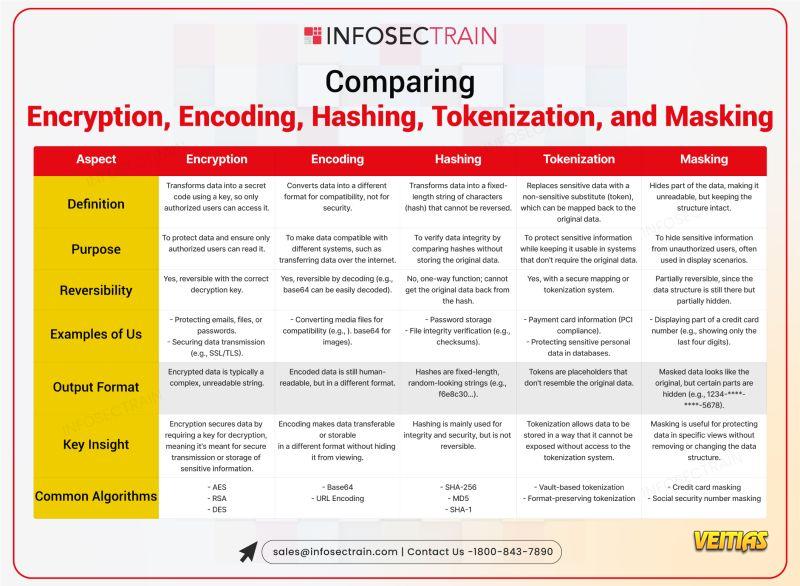
    Encryption transforms data into unreadable formats, ensuring confidentiality.
    Hashing verifies data integrity, detecting tampering or unauthorized changes.

    𝐓𝐲𝐩𝐞𝐬 𝐨𝐟 𝐄𝐧𝐜𝐫𝐲𝐩𝐭𝐢𝐨𝐧:
    𝐒𝐲𝐦𝐦𝐞𝐭𝐫𝐢𝐜 𝐄𝐧𝐜𝐫𝐲𝐩𝐭𝐢𝐨𝐧: Uses a single key for both encryption and decryption. Ideal for high-speed data transfer and storage.

    𝐀𝐬𝐲𝐦𝐦𝐞𝐭𝐫𝐢𝐜 𝐄𝐧𝐜𝐫𝐲𝐩𝐭𝐢𝐨𝐧: Utilizes a key pair (public/private) for secure exchanges perfect for secure communications, digital signatures, and key exchange.

    𝐁𝐞𝐬𝐭 𝐏𝐫𝐚𝐜𝐭𝐢𝐜𝐞𝐬 𝐟𝐨𝐫 𝐈𝐦𝐩𝐥𝐞𝐦𝐞𝐧𝐭𝐢𝐧𝐠 𝐄𝐧𝐜𝐫𝐲𝐩𝐭𝐢𝐨𝐧:
    Proper key management
    Regular updates and patches
    Using strong algorithms and protocols
    Layering security measures for comprehensive protection

    𝐑𝐞𝐚𝐝 𝐭𝐡𝐞 𝐟𝐮𝐥𝐥 𝐚𝐫𝐭𝐢𝐜𝐥𝐞 𝐡𝐞𝐫𝐞: https://www.infosectrain.com/blog/isc2-cc-domain-5-security-operations/

    #Cybersecurity #ISC2CC #SecurityOperations #DataProtection #Encryption #Hashing #InfoSec #ProfessionalDevelopment #CybersecurityTraining #infosectrain
    𝐌𝐚𝐬𝐭𝐞𝐫𝐢𝐧𝐠 𝐃𝐨𝐦𝐚𝐢𝐧 𝟓 𝐨𝐟 𝐈𝐒𝐂𝟐 𝐂𝐂: 𝐄𝐬𝐬𝐞𝐧𝐭𝐢𝐚𝐥 𝐒𝐤𝐢𝐥𝐥𝐬 𝐢𝐧 𝐒𝐞𝐜𝐮𝐫𝐢𝐭𝐲 𝐎𝐩𝐞𝐫𝐚𝐭𝐢𝐨𝐧𝐬, 𝐃𝐚𝐭𝐚 𝐏𝐫𝐨𝐭𝐞𝐜𝐭𝐢𝐨𝐧, 𝐚𝐧𝐝 𝐄𝐧𝐜𝐫𝐲𝐩𝐭𝐢𝐨𝐧 𝐓𝐞𝐜𝐡𝐧𝐢𝐪𝐮𝐞𝐬 👉 𝐖𝐡𝐚𝐭 𝐘𝐨𝐮’𝐥𝐥 𝐋𝐞𝐚𝐫𝐧: 🔒 𝐃𝐚𝐭𝐚 𝐒𝐞𝐜𝐮𝐫𝐢𝐭𝐲 & 𝐏𝐫𝐨𝐭𝐞𝐜𝐭𝐢𝐨𝐧: Understand how to safeguard sensitive information against threats. 🛡 𝐄𝐧𝐜𝐫𝐲𝐩𝐭𝐢𝐨𝐧 & 𝐇𝐚𝐬𝐡𝐢𝐧𝐠: Encryption transforms data into unreadable formats, ensuring confidentiality. Hashing verifies data integrity, detecting tampering or unauthorized changes. 🔑 𝐓𝐲𝐩𝐞𝐬 𝐨𝐟 𝐄𝐧𝐜𝐫𝐲𝐩𝐭𝐢𝐨𝐧: 🔹 𝐒𝐲𝐦𝐦𝐞𝐭𝐫𝐢𝐜 𝐄𝐧𝐜𝐫𝐲𝐩𝐭𝐢𝐨𝐧: Uses a single key for both encryption and decryption. Ideal for high-speed data transfer and storage. 🔹𝐀𝐬𝐲𝐦𝐦𝐞𝐭𝐫𝐢𝐜 𝐄𝐧𝐜𝐫𝐲𝐩𝐭𝐢𝐨𝐧: Utilizes a key pair (public/private) for secure exchanges perfect for secure communications, digital signatures, and key exchange. 𝐁𝐞𝐬𝐭 𝐏𝐫𝐚𝐜𝐭𝐢𝐜𝐞𝐬 𝐟𝐨𝐫 𝐈𝐦𝐩𝐥𝐞𝐦𝐞𝐧𝐭𝐢𝐧𝐠 𝐄𝐧𝐜𝐫𝐲𝐩𝐭𝐢𝐨𝐧: 🔸 Proper key management 🔸Regular updates and patches 🔸Using strong algorithms and protocols 🔸Layering security measures for comprehensive protection 👉 𝐑𝐞𝐚𝐝 𝐭𝐡𝐞 𝐟𝐮𝐥𝐥 𝐚𝐫𝐭𝐢𝐜𝐥𝐞 𝐡𝐞𝐫𝐞: https://www.infosectrain.com/blog/isc2-cc-domain-5-security-operations/ #Cybersecurity #ISC2CC #SecurityOperations #DataProtection #Encryption #Hashing #InfoSec #ProfessionalDevelopment #CybersecurityTraining #infosectrain
    WWW.INFOSECTRAIN.COM
    ISC2 CC Domain 5: Security Operations
    This article explores the key objectives of Domain 5, which include understanding data security, system hardening, best practice policies, and security awareness training.
    0 Σχόλια 0 Μοιράστηκε 4471 Views 0 Προεπισκόπηση
  • Keep Your Inbox Safe: Master Email Security Protocols!

    Did you know that email is one of the most targeted attack vectors for hackers? From phishing scams to data breaches, unsecured emails can expose sensitive business and personal information.

    That’s why Email Security Protocols are your first line of defense.

    Key Protocols You Should Know:
    Authentication Protocols – SPF, DKIM, DMARC (Stop spoofing & ensure authenticity)
    Transmission Security Protocols – TLS, STARTTLS (Encrypt emails in transit)
    End-to-End Encryption Protocols – S/MIME, PGP (Protect content with encryption & signatures)

    Together, these protocols shield your emails from interception, forgery, and unauthorized access.

    Learn more about strengthening your email security: www.infosectrain.com

    #CyberSecurityAwareness #EmailSecurity #PhishingProtection #InfoSec #CyberDefense #SecureEmail #DataProtection #OnlineSafety #CyberHygiene #SPF #DKIM #DMARC #Encryption #InfoSecTrain
    📧🔐 Keep Your Inbox Safe: Master Email Security Protocols! Did you know that email is one of the most targeted attack vectors for hackers? From phishing scams to data breaches, unsecured emails can expose sensitive business and personal information. That’s why Email Security Protocols are your first line of defense. ✨ Key Protocols You Should Know: ✅ Authentication Protocols – SPF, DKIM, DMARC (Stop spoofing & ensure authenticity) ✅ Transmission Security Protocols – TLS, STARTTLS (Encrypt emails in transit) ✅ End-to-End Encryption Protocols – S/MIME, PGP (Protect content with encryption & signatures) 💡 Together, these protocols shield your emails from interception, forgery, and unauthorized access. 🔗 Learn more about strengthening your email security: www.infosectrain.com #CyberSecurityAwareness #EmailSecurity #PhishingProtection #InfoSec #CyberDefense #SecureEmail #DataProtection #OnlineSafety #CyberHygiene #SPF #DKIM #DMARC #Encryption #InfoSecTrain
    0 Σχόλια 0 Μοιράστηκε 8907 Views 0 Προεπισκόπηση
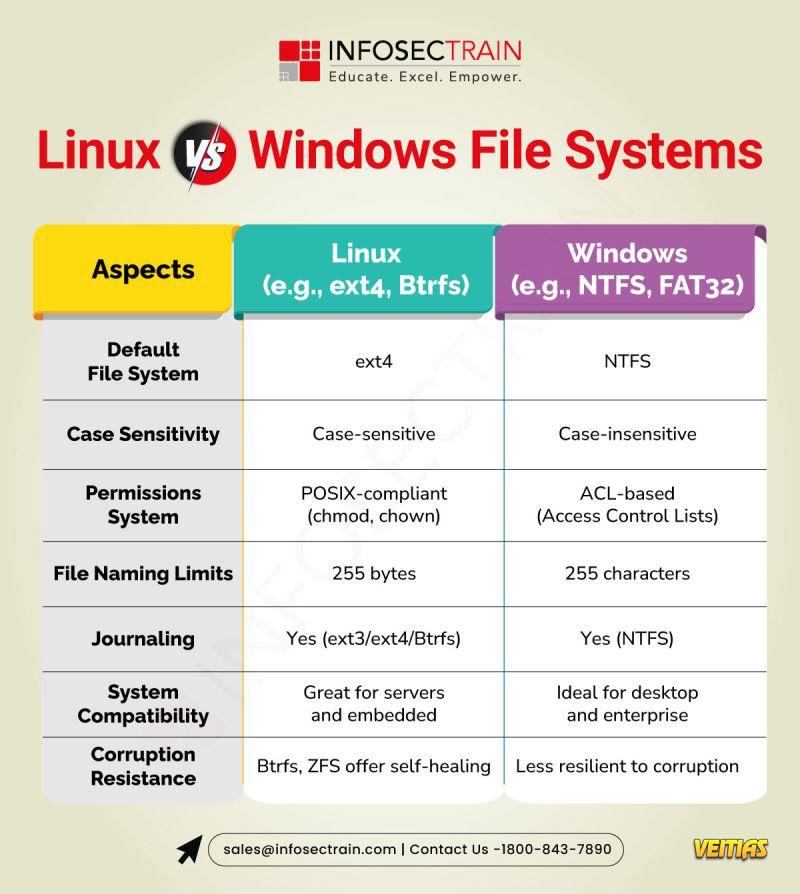
  • Linux commonly uses ext4, XFS, or Btrfs, which are designed for stability, security, and better handling of large files. These file systems support advanced features like journaling, symbolic links, and case sensitivity. Windows, on the other hand, mainly uses NTFS, which offers good compatibility, built-in encryption, and strong support for permissions but is less flexible than Linux file systems. In general, Linux file systems are preferred for servers and performance-heavy tasks, while NTFS is optimized for desktop use and Windows environments.
    Linux commonly uses ext4, XFS, or Btrfs, which are designed for stability, security, and better handling of large files. These file systems support advanced features like journaling, symbolic links, and case sensitivity. Windows, on the other hand, mainly uses NTFS, which offers good compatibility, built-in encryption, and strong support for permissions but is less flexible than Linux file systems. In general, Linux file systems are preferred for servers and performance-heavy tasks, while NTFS is optimized for desktop use and Windows environments.
    0 Σχόλια 0 Μοιράστηκε 3384 Views 0 Προεπισκόπηση
  • Top Security Architecture Trends for 2025 You Can’t Ignore!

    Cyber threats are evolving — here’s how security is fighting back:
    Zero-Trust & Identity-First Models
    Cloud-First + Distributed Security
    AI & Automation for Cyber Defense
    🛠 DevSecOps + Shift-Left Security
    Quantum-Safe Encryption

    Read now: https://medium.com/@Infosec-Train/top-trends-of-security-architecture-in-2025-70a6d43dffae

    With InfosecTrain’s hands-on training programs, you’ll learn how to implement these strategies effectively and stay ahead of tomorrow’s threats.

    #CyberSecurity #ZeroTrust #CloudSecurity #IdentityFirst #DevSecOps #QuantumEncryption #DataProtection #ShiftLeftSecurity #SecurityTrends2025 #InfosecTrain
    Top Security Architecture Trends for 2025 You Can’t Ignore! Cyber threats are evolving — here’s how security is fighting back: 🔒 Zero-Trust & Identity-First Models ☁️ Cloud-First + Distributed Security 🤖 AI & Automation for Cyber Defense 🛠 DevSecOps + Shift-Left Security 🔑 Quantum-Safe Encryption Read now: https://medium.com/@Infosec-Train/top-trends-of-security-architecture-in-2025-70a6d43dffae 👉 With InfosecTrain’s hands-on training programs, you’ll learn how to implement these strategies effectively and stay ahead of tomorrow’s threats. #CyberSecurity #ZeroTrust #CloudSecurity #IdentityFirst #DevSecOps #QuantumEncryption #DataProtection #ShiftLeftSecurity #SecurityTrends2025 #InfosecTrain
    MEDIUM.COM
    Top Trends of Security Architecture in 2025
    Organizations today are racing to rebuild their defenses. 2025 looms as a game-changing year: cybercrime costs could reach $10.5 trillion…
    0 Σχόλια 0 Μοιράστηκε 5187 Views 0 Προεπισκόπηση
  • Every Asset Matters in Cybersecurity!

    From laptops to data: if you don’t manage them securely, you invite risks.

    𝐂𝐨𝐦𝐩𝐓𝐈𝐀 𝐒𝐞𝐜𝐮𝐫𝐢𝐭𝐲+ (𝐃𝐨𝐦𝐚𝐢𝐧 𝟒.𝟐) shows why asset lifecycle matters:
    1⃣ Acquire smart
    2⃣ Assign safely
    3⃣ Monitor constantly
    4⃣ Dispose securely

    Strategies like encryption, data wiping & proper disposal methods keep your organization protected.

    Read more here: https://www.infosectrain.com/blog/security-implications-of-software-hardware-and-data-asset-management/

    #CyberSafe #SecurityPlus #InfosecTrain #CyberSecurityTips
    ✅ Every Asset Matters in Cybersecurity! 👉 From laptops to data: if you don’t manage them securely, you invite risks. 👉 𝐂𝐨𝐦𝐩𝐓𝐈𝐀 𝐒𝐞𝐜𝐮𝐫𝐢𝐭𝐲+ (𝐃𝐨𝐦𝐚𝐢𝐧 𝟒.𝟐) shows why asset lifecycle matters: 1⃣ Acquire smart 2⃣ Assign safely 3⃣ Monitor constantly 4⃣ Dispose securely ✅ Strategies like encryption, data wiping & proper disposal methods keep your organization protected. 🔗 Read more here: https://www.infosectrain.com/blog/security-implications-of-software-hardware-and-data-asset-management/ #CyberSafe #SecurityPlus #InfosecTrain #CyberSecurityTips
    WWW.INFOSECTRAIN.COM
    Security Implications of Software, Hardware, and Data Asset Management
    Explore the security risks and best practices in managing software, hardware, and data assets. Learn how asset management strengthens cybersecurity defenses.
    0 Σχόλια 0 Μοιράστηκε 3934 Views 0 Προεπισκόπηση
  • Data protection involves the policies and procedures used to secure digital information against unauthorized access, corruption, or loss. It focuses on maintaining the confidentiality, integrity, and availability (CIA) of data throughout its lifecycle. This process includes technical measures like encryption and access controls, as well as organizational practices like regular backups and incident response planning. Ultimately, data protection ensures that sensitive information remains secure and trustworthy, safeguarding both individual privacy and business continuity.
    Data protection involves the policies and procedures used to secure digital information against unauthorized access, corruption, or loss. It focuses on maintaining the confidentiality, integrity, and availability (CIA) of data throughout its lifecycle. This process includes technical measures like encryption and access controls, as well as organizational practices like regular backups and incident response planning. Ultimately, data protection ensures that sensitive information remains secure and trustworthy, safeguarding both individual privacy and business continuity.
    0 Σχόλια 0 Μοιράστηκε 2329 Views 0 Προεπισκόπηση
  • The 7 Pillars of Accountability under the GDPR

    While many think GDPR is all about avoiding fines, this is more about trust. Organizations must be able to provide proof of their commitment to protecting personal data with the 7 Pillars of Accountability principle:

    1⃣ ROPA – Record of Processing Activities; what, why and how you collect.
    2⃣ DPIAs – Data Protection Impact Assessments; find & address risks before undertaking new projects.
    3⃣ Security Controls – Encryption, access restrictions and safe systems.
    4⃣ Staff Training – People are the first line of defence.
    5⃣ Policies & Procedures – Clear guidelines, equal compliance.
    6⃣ Third Party Management – Vendors and third parties are still your responsibility.
    7⃣ Monitoring & Audits – The accountability is continuous not a single event.

    Following your organization's 7 Pillars of Accountability means accountability protects the user, reputation and reduces business risk.

    Read more: https://medium.com/@Infosec-Train/the-7-pillars-of-accountability-under-gdpr-9e3bd2c6d7b9

    Learn more with Infosec Train GDPR training & courses.

    #GDPR #DataProtection #CyberSecurity #Privacy #infosectrain
    🔒 The 7 Pillars of Accountability under the GDPR While many think GDPR is all about avoiding fines, this is more about trust. Organizations must be able to provide proof of their commitment to protecting personal data with the 7 Pillars of Accountability principle: 1⃣ ROPA – Record of Processing Activities; what, why and how you collect. 2⃣ DPIAs – Data Protection Impact Assessments; find & address risks before undertaking new projects. 3⃣ Security Controls – Encryption, access restrictions and safe systems. 4⃣ Staff Training – People are the first line of defence. 5⃣ Policies & Procedures – Clear guidelines, equal compliance. 6⃣ Third Party Management – Vendors and third parties are still your responsibility. 7⃣ Monitoring & Audits – The accountability is continuous not a single event. ✅Following your organization's 7 Pillars of Accountability means accountability protects the user, reputation and reduces business risk. 🔗 Read more: https://medium.com/@Infosec-Train/the-7-pillars-of-accountability-under-gdpr-9e3bd2c6d7b9 👉 Learn more with Infosec Train GDPR training & courses. #GDPR #DataProtection #CyberSecurity #Privacy #infosectrain
    MEDIUM.COM
    The 7 Pillars of Accountability Under GDPR
    Under the GDPR, accountability isn’t just about following the rules; it’s about being able to prove that you are. Organizations must…
    0 Σχόλια 0 Μοιράστηκε 3584 Views 0 Προεπισκόπηση
  • DNS Spoofing vs. MITM Attack

    Cybercriminals don’t break in through doors, they sneak in through your internet connection.

    Whatever you do online on a daily basis - visiting a website, buying something online or linking to a Wi-Fi network - each may seem harmless, but this is just one way to open serious risks. What you may not realize is you may be giving away sensitive data to a hacker.

    This is the key idea of DNS Spoofing & Man-in-the-Middle (MITM) attacks; they are cyber tricks that redirect your traffic or intercept your communication without your knowledge.

    Read the detailed breakdown here: https://www.infosectrain.com/blog/dns-spoofing-vs-mitm-attack/

    Through awareness of always checking for HTTPS connections, having strong authentication and implementing security measures like encryption and DNSSEC, both individuals and organizations are able to greatly reduce their risk of becoming victim to these attacks.

    #CyberSecurity #DNSSpoofing #MITM #DataProtection #InfoSec #CyberAwareness #Encryption #OnlineSafety
    DNS Spoofing vs. MITM Attack Cybercriminals don’t break in through doors, they sneak in through your internet connection. 👉 Whatever you do online on a daily basis - visiting a website, buying something online or linking to a Wi-Fi network - each may seem harmless, but this is just one way to open serious risks. What you may not realize is you may be giving away sensitive data to a hacker. 👉 This is the key idea of DNS Spoofing & Man-in-the-Middle (MITM) attacks; they are cyber tricks that redirect your traffic or intercept your communication without your knowledge. 🔗 Read the detailed breakdown here: https://www.infosectrain.com/blog/dns-spoofing-vs-mitm-attack/ ✅ Through awareness of always checking for HTTPS connections, having strong authentication and implementing security measures like encryption and DNSSEC, both individuals and organizations are able to greatly reduce their risk of becoming victim to these attacks. #CyberSecurity #DNSSpoofing #MITM #DataProtection #InfoSec #CyberAwareness #Encryption #OnlineSafety
    WWW.INFOSECTRAIN.COM
    DNS Spoofing vs. MITM Attack
    Explore the differences between DNS Spoofing and MITM Attacks. Learn how each exploits vulnerabilities and their impact on network security in this in-depth comparison.
    0 Σχόλια 0 Μοιράστηκε 4445 Views 0 Προεπισκόπηση
Αναζήτηση αποτελεσμάτων