• 𝐈𝐒𝐂𝟐 𝐈𝐒𝐒𝐀𝐏 𝐃𝐨𝐦𝐚𝐢𝐧 𝟒.𝟒.𝟐: 𝐀𝐫𝐜𝐡𝐢𝐭𝐞𝐜𝐭 𝐈𝐝𝐞𝐧𝐭𝐢𝐭𝐲 𝐀𝐮𝐭𝐡𝐞𝐧𝐭𝐢𝐜𝐚𝐭𝐢𝐨𝐧

    Every time you sign in whether it’s to your email, bank account, social media, or work applications it seems straightforward at first glance. Just enter a username and password but that simplicity is misleading.

    In reality, clicking that login button sets off a carefully designed 𝐢𝐝𝐞𝐧𝐭𝐢𝐭𝐲 𝐬𝐞𝐜𝐮𝐫𝐢𝐭𝐲 𝐬𝐲𝐬𝐭𝐞𝐦 working behind the scenesone that protects against attackers while still keeping the experience smooth and effortless for users.

    𝐈𝐧 𝐈𝐒𝐂² 𝐈𝐒𝐒𝐀𝐏 𝐃𝐨𝐦𝐚𝐢𝐧, 𝐢𝐝𝐞𝐧𝐭𝐢𝐭𝐲 𝐚𝐮𝐭𝐡𝐞𝐧𝐭𝐢𝐜𝐚𝐭𝐢𝐨𝐧 goes far beyond simply checking whether a user can log in. It focuses on how the login happens, where it’s coming from, and the level of risk involved at that moment, ensuring access is granted only when it truly makes sense from a security perspective.

    𝐖𝐡𝐚𝐭 𝐌𝐨𝐝𝐞𝐫𝐧 𝐈𝐝𝐞𝐧𝐭𝐢𝐭𝐲 𝐀𝐫𝐜𝐡𝐢𝐭𝐞𝐜𝐭𝐮𝐫𝐞 𝐃𝐞𝐦𝐚𝐧𝐝𝐬:
    Takeaway #1: Implementing 𝐌𝐮𝐥𝐭𝐢-𝐅𝐚𝐜𝐭𝐨𝐫 𝐀𝐮𝐭𝐡𝐞𝐧𝐭𝐢𝐜𝐚𝐭𝐢𝐨𝐧 (𝐌𝐅𝐀) as a strong primary defense.
    Takeaway #2: Utilizing 𝐑𝐢𝐬𝐤-𝐁𝐚𝐬𝐞𝐝 𝐨𝐫 𝐀𝐝𝐚𝐩𝐭𝐢𝐯𝐞 𝐀𝐮𝐭𝐡𝐞𝐧𝐭𝐢𝐜𝐚𝐭𝐢𝐨𝐧 to assess login context.
    Takeaway #3: Leveraging 𝐅𝐞𝐝𝐞𝐫𝐚𝐭𝐞𝐝 𝐏𝐫𝐨𝐭𝐨𝐜𝐨𝐥𝐬 to grant access without exposing credentials.
    Takeaway #4: Applying a 𝐠𝐫𝐚𝐧𝐮𝐥𝐚𝐫 𝐥𝐚𝐲𝐞𝐫 𝐨𝐟 𝐀𝐮𝐭𝐡𝐨𝐫𝐢𝐳𝐚𝐭𝐢𝐨𝐧 to ensure restricted access.

    𝐑𝐞𝐚𝐝 𝐭𝐡𝐞 𝐟𝐮𝐥𝐥 𝐈𝐧𝐟𝐨𝐬𝐞𝐜𝐓𝐫𝐚𝐢𝐧 𝐚𝐫𝐭𝐢𝐜𝐥𝐞 𝐡𝐞𝐫𝐞: https://www.infosectrain.com/blog/isc2-issap-domain-4-4-2-architect-identity-authentication

    Mastering this domain helps you design systems that are 𝐬𝐞𝐜𝐮𝐫𝐞, 𝐬𝐜𝐚𝐥𝐚𝐛𝐥𝐞, 𝐚𝐧𝐝 𝐮𝐬𝐞𝐫-𝐜𝐞𝐧𝐭𝐫𝐢𝐜.

    #ISC2 #ISSAP #IdentitySecurity #AuthenticationArchitecture #MFA #ZeroTrust #CyberSecurity #InfosecTrain #IAM #SecurityArchitecture
    𝐈𝐒𝐂𝟐 𝐈𝐒𝐒𝐀𝐏 𝐃𝐨𝐦𝐚𝐢𝐧 𝟒.𝟒.𝟐: 𝐀𝐫𝐜𝐡𝐢𝐭𝐞𝐜𝐭 𝐈𝐝𝐞𝐧𝐭𝐢𝐭𝐲 𝐀𝐮𝐭𝐡𝐞𝐧𝐭𝐢𝐜𝐚𝐭𝐢𝐨𝐧 Every time you sign in ➡️ whether it’s to your email, bank account, social media, or work applications ➡️ it seems straightforward at first glance. Just enter a username and password but that simplicity is misleading. In reality, clicking that login button sets off a carefully designed 𝐢𝐝𝐞𝐧𝐭𝐢𝐭𝐲 𝐬𝐞𝐜𝐮𝐫𝐢𝐭𝐲 𝐬𝐲𝐬𝐭𝐞𝐦 working behind the scenes➡️one that protects against attackers while still keeping the experience smooth and effortless for users. ✅ 𝐈𝐧 𝐈𝐒𝐂² 𝐈𝐒𝐒𝐀𝐏 𝐃𝐨𝐦𝐚𝐢𝐧, 𝐢𝐝𝐞𝐧𝐭𝐢𝐭𝐲 𝐚𝐮𝐭𝐡𝐞𝐧𝐭𝐢𝐜𝐚𝐭𝐢𝐨𝐧 goes far beyond simply checking whether a user can log in. It focuses on how the login happens, where it’s coming from, and the level of risk involved at that moment, ensuring access is granted only when it truly makes sense from a security perspective. ➡️ 𝐖𝐡𝐚𝐭 𝐌𝐨𝐝𝐞𝐫𝐧 𝐈𝐝𝐞𝐧𝐭𝐢𝐭𝐲 𝐀𝐫𝐜𝐡𝐢𝐭𝐞𝐜𝐭𝐮𝐫𝐞 𝐃𝐞𝐦𝐚𝐧𝐝𝐬: 🔹 Takeaway #1: Implementing 𝐌𝐮𝐥𝐭𝐢-𝐅𝐚𝐜𝐭𝐨𝐫 𝐀𝐮𝐭𝐡𝐞𝐧𝐭𝐢𝐜𝐚𝐭𝐢𝐨𝐧 (𝐌𝐅𝐀) as a strong primary defense. 🔹Takeaway #2: Utilizing 𝐑𝐢𝐬𝐤-𝐁𝐚𝐬𝐞𝐝 𝐨𝐫 𝐀𝐝𝐚𝐩𝐭𝐢𝐯𝐞 𝐀𝐮𝐭𝐡𝐞𝐧𝐭𝐢𝐜𝐚𝐭𝐢𝐨𝐧 to assess login context. 🔹Takeaway #3: Leveraging 𝐅𝐞𝐝𝐞𝐫𝐚𝐭𝐞𝐝 𝐏𝐫𝐨𝐭𝐨𝐜𝐨𝐥𝐬 to grant access without exposing credentials. 🔹Takeaway #4: Applying a 𝐠𝐫𝐚𝐧𝐮𝐥𝐚𝐫 𝐥𝐚𝐲𝐞𝐫 𝐨𝐟 𝐀𝐮𝐭𝐡𝐨𝐫𝐢𝐳𝐚𝐭𝐢𝐨𝐧 to ensure restricted access. 👉 𝐑𝐞𝐚𝐝 𝐭𝐡𝐞 𝐟𝐮𝐥𝐥 𝐈𝐧𝐟𝐨𝐬𝐞𝐜𝐓𝐫𝐚𝐢𝐧 𝐚𝐫𝐭𝐢𝐜𝐥𝐞 𝐡𝐞𝐫𝐞: https://www.infosectrain.com/blog/isc2-issap-domain-4-4-2-architect-identity-authentication ✅ Mastering this domain helps you design systems that are 𝐬𝐞𝐜𝐮𝐫𝐞, 𝐬𝐜𝐚𝐥𝐚𝐛𝐥𝐞, 𝐚𝐧𝐝 𝐮𝐬𝐞𝐫-𝐜𝐞𝐧𝐭𝐫𝐢𝐜. #ISC2 #ISSAP #IdentitySecurity #AuthenticationArchitecture #MFA #ZeroTrust #CyberSecurity #InfosecTrain #IAM #SecurityArchitecture
    WWW.INFOSECTRAIN.COM
    ISC2 ISSAP Domain 4.4.2: Architect Identity Authentication
    A detailed guide to ISC2 ISSAP Domain 4.4.2 explaining identity authentication architecture and secure authentication design.
    0 Comments 0 Shares 3748 Views 0 Reviews
  • What is Sender Policy Framework (SPF)?

    Ever wondered how email servers know whether a message is legit or fake?That’s where Sender Policy Framework (SPF) steps in.

    How SPF Helps:
    Verifies legitimate sending servers via DNS records
    Blocks cybercriminals from impersonating trusted domains
    Protects brand reputation and email communication integrity
    Reduces phishing and email spoofing attacks

    Read more: https://infosec-train.blogspot.com/2026/01/what-is-sender-policy-framework-spf.html

    #EmailSecurity #SPF #CyberSecurity #PhishingPrevention #EmailAuthentication #InfoSec #DMARC #DKIM #infosectrain
    What is Sender Policy Framework (SPF)? Ever wondered how email servers know whether a message is legit or fake?That’s where Sender Policy Framework (SPF) steps in. 🔍 How SPF Helps: ✔️ Verifies legitimate sending servers via DNS records ✔️ Blocks cybercriminals from impersonating trusted domains ✔️ Protects brand reputation and email communication integrity ✔️ Reduces phishing and email spoofing attacks Read more: https://infosec-train.blogspot.com/2026/01/what-is-sender-policy-framework-spf.html #EmailSecurity #SPF #CyberSecurity #PhishingPrevention #EmailAuthentication #InfoSec #DMARC #DKIM #infosectrain
    INFOSEC-TRAIN.BLOGSPOT.COM
    What is Sender Policy Framework (SPF)?
    As cyber threats grow more sophisticated, emails have become both a powerful tool and a potential vulnerability. While they keep us connecte...
    0 Comments 0 Shares 2750 Views 0 Reviews
  • Google Account Security: How MFA Keeps Hackers Out!

    In this video, you’ll learn how Multi-Factor Authentication (MFA) adds an extra layer of protection to your Google account. We walk you through the steps to enable MFA and explain how it stops unauthorized access even if your password is compromised. You’ll also understand why MFA is essential for both individuals and organizations in today’s evolving cyber threat landscape.

    Watch Here: https://youtu.be/p9iBwJmPIPI?si=D8kZAb1_4RAR-Jol

    #MultiFactorAuthentication #GoogleSecurity #CyberSecurity #AccountProtection #InfosecTrain #DigitalSafety #MFA #CyberAwareness
    Google Account Security: How MFA Keeps Hackers Out! In this video, you’ll learn how Multi-Factor Authentication (MFA) adds an extra layer of protection to your Google account. We walk you through the steps to enable MFA and explain how it stops unauthorized access even if your password is compromised. You’ll also understand why MFA is essential for both individuals and organizations in today’s evolving cyber threat landscape. Watch Here: https://youtu.be/p9iBwJmPIPI?si=D8kZAb1_4RAR-Jol #MultiFactorAuthentication #GoogleSecurity #CyberSecurity #AccountProtection #InfosecTrain #DigitalSafety #MFA #CyberAwareness
    0 Comments 0 Shares 4217 Views 0 Reviews
  • Google Account Security: How MFA Keeps Hackers Out!

    In this video, you’ll learn how Multi-Factor Authentication (MFA) adds an extra layer of protection to your Google account. We walk you through the steps to enable MFA and explain how it stops unauthorized access even if your password is compromised. You’ll also understand why MFA is essential for both individuals and organizations in today’s evolving cyber threat landscape.

    Watch Here: https://youtu.be/p9iBwJmPIPI?si=D8kZAb1_4RAR-Jol

    #multifactorauthentication #mfa #2stepverification #cybersecurity #accountprotection #infosectrain #cyberawareness #securelogin #gmailsecurity #digitalidentity #onlinesecurity #infosectrain
    Google Account Security: How MFA Keeps Hackers Out! In this video, you’ll learn how Multi-Factor Authentication (MFA) adds an extra layer of protection to your Google account. We walk you through the steps to enable MFA and explain how it stops unauthorized access even if your password is compromised. You’ll also understand why MFA is essential for both individuals and organizations in today’s evolving cyber threat landscape. Watch Here: https://youtu.be/p9iBwJmPIPI?si=D8kZAb1_4RAR-Jol #multifactorauthentication #mfa #2stepverification #cybersecurity #accountprotection #infosectrain #cyberawareness #securelogin #gmailsecurity #digitalidentity #onlinesecurity #infosectrain
    0 Comments 0 Shares 4679 Views 0 Reviews
  • From authentication attempts and directory changes to DNS activity, application errors, and system-level events logs provide the evidence that security controls are working as intended.

    When monitored correctly, these logs help organizations:

    Detect suspicious behavior early
    Investigate incidents with accuracy
    Meet audit and compliance requirements
    Strengthen overall security posture
    Security without visibility is blind.

    Logs turn infrastructure activity into actionable security intelligence.
    From authentication attempts and directory changes to DNS activity, application errors, and system-level events logs provide the evidence that security controls are working as intended. When monitored correctly, these logs help organizations: Detect suspicious behavior early Investigate incidents with accuracy Meet audit and compliance requirements Strengthen overall security posture Security without visibility is blind. Logs turn infrastructure activity into actionable security intelligence.
    0 Comments 0 Shares 3144 Views 0 Reviews
  • How Single Sign-On Works | Secure & Seamless Access Explained

    What you’ll learn in this video:
    What Single Sign-On (SSO) is and why it matters
    How SSO authentication actually works
    Key protocols: SAML, OAuth & OpenID Connect
    Real-world SSO use cases in enterprises
    Security benefits vs. risks of SSO
    Why SSO improves productivity and reduces password fatigue

    Watch Here: https://youtu.be/p0kPcPtYRAU?si=3Q4-mHxFARDyfmNK

    Subscribe for more cybersecurity insights!

    #SingleSignOn #SSO #CyberSecurity #IAM #IdentityAccessManagement #SAML #OAuth #CloudSecurity
    How Single Sign-On Works | Secure & Seamless Access Explained 🎯 What you’ll learn in this video: ✅ What Single Sign-On (SSO) is and why it matters ✅ How SSO authentication actually works ✅ Key protocols: SAML, OAuth & OpenID Connect ✅ Real-world SSO use cases in enterprises ✅ Security benefits vs. risks of SSO ✅ Why SSO improves productivity and reduces password fatigue Watch Here: https://youtu.be/p0kPcPtYRAU?si=3Q4-mHxFARDyfmNK 🔔 Subscribe for more cybersecurity insights! #SingleSignOn #SSO #CyberSecurity #IAM #IdentityAccessManagement #SAML #OAuth #CloudSecurity
    0 Comments 0 Shares 3151 Views 0 Reviews
  • From Legacy VPNs to Zero Trust: The Future of Secure Access

    That’s where Zero Trust steps in.
    Never trust, always verify
    Continuous authentication
    Least-privilege access
    Microsegmentation to contain threats

    𝐑𝐞𝐚𝐝 𝐦𝐨𝐫𝐞 𝐡𝐞𝐫𝐞: https://www.infosectrain.com/blog/legacy-vpn-access-vs-zero-trust/

    Studies show organizations using Zero Trust save $1.76M on average in breach costs.

    Ready to move beyond outdated VPNs and build a resilient, modern security framework?

    Join InfosecTrain’s CCZT Training and master the future of cybersecurity!

    #ZeroTrust #CyberSecurity #NetworkSecurity #VPN #DataProtection #InfosecTrain #CCZT #CyberAwareness #InfoSec #SecurityTraining #ZeroTrustArchitecture #ITSecurity #CyberDefense
    From Legacy VPNs to Zero Trust: The Future of Secure Access That’s where Zero Trust steps in. ✅ Never trust, always verify ✅ Continuous authentication ✅ Least-privilege access ✅ Microsegmentation to contain threats 👉𝐑𝐞𝐚𝐝 𝐦𝐨𝐫𝐞 𝐡𝐞𝐫𝐞: https://www.infosectrain.com/blog/legacy-vpn-access-vs-zero-trust/ 💡 Studies show organizations using Zero Trust save $1.76M on average in breach costs. Ready to move beyond outdated VPNs and build a resilient, modern security framework? 👉 Join InfosecTrain’s CCZT Training and master the future of cybersecurity! #ZeroTrust #CyberSecurity #NetworkSecurity #VPN #DataProtection #InfosecTrain #CCZT #CyberAwareness #InfoSec #SecurityTraining #ZeroTrustArchitecture #ITSecurity #CyberDefense
    WWW.INFOSECTRAIN.COM
    Legacy VPN Access vs. Zero Trust
    Legacy VPN (Virtual Private Network) access is a traditional security model that provides remote users with access to a private network. It is based on a "castle-and-moat" security philosophy.
    0 Comments 0 Shares 4240 Views 0 Reviews
  • 𝐈𝐭’𝐬 𝐓𝐢𝐦𝐞 𝐓𝐨 𝐒𝐚𝐲 “𝐓𝐫𝐮𝐬𝐭 𝐎𝐧𝐜𝐞, 𝐒𝐞𝐜𝐮𝐫𝐞 𝐅𝐨𝐫𝐞𝐯𝐞𝐫” 𝐈𝐬 𝐎𝐯𝐞𝐫: 𝐖𝐞𝐥𝐜𝐨𝐦𝐞 𝐓𝐨 𝐓𝐡𝐞 𝐙𝐞𝐫𝐨 𝐓𝐫𝐮𝐬𝐭 𝐄𝐫𝐚!

    𝐙𝐞𝐫𝐨 𝐓𝐫𝐮𝐬𝐭 = 𝐍𝐞𝐯𝐞𝐫 𝐓𝐫𝐮𝐬𝐭, 𝐀𝐥𝐰𝐚𝐲𝐬 𝐀𝐮𝐭𝐡𝐞𝐧𝐭𝐢𝐜𝐚𝐭𝐞
    It’s not about denying access, it’s about providing the least amount of access after confirmation. Continuous authentication, the least privileges, and intense monitoring have become the norm.

    𝐖𝐡𝐲 𝐈𝐭 𝐌𝐚𝐭𝐭𝐞𝐫𝐬:
    Cyber attackers don’t have to ask for permission- all they need if the chance. Zero Trust takes that away.

    𝐑𝐞𝐚𝐝 𝐦𝐨𝐫𝐞 𝐡𝐞𝐫𝐞: https://www.infosectrain.com/blog/zero-trust-vs-traditional-security/

    𝐑𝐞𝐚𝐝𝐲 𝐭𝐨 𝐦𝐚𝐬𝐭𝐞𝐫 𝐙𝐞𝐫𝐨 𝐓𝐫𝐮𝐬𝐭?
    Enroll in Infosec Train 𝐂𝐞𝐫𝐭𝐢𝐟𝐢𝐜𝐚𝐭𝐞 𝐨𝐟 𝐂𝐨𝐦𝐩𝐞𝐭𝐞𝐧𝐜𝐞 𝐢𝐧 𝐙𝐞𝐫𝐨 𝐓𝐫𝐮𝐬𝐭 (𝐂𝐂𝐙𝐓) and become the professional organizations require in this new era of cyber security!

    #ZeroTrust #CyberSecurity #CCZT #InfosecTrain #DataSecurity #Infosec #ITSecurity #CyberAwareness #SecurityTraining #AIandSecurity #TechTrends
    🚫 𝐈𝐭’𝐬 𝐓𝐢𝐦𝐞 𝐓𝐨 𝐒𝐚𝐲 “𝐓𝐫𝐮𝐬𝐭 𝐎𝐧𝐜𝐞, 𝐒𝐞𝐜𝐮𝐫𝐞 𝐅𝐨𝐫𝐞𝐯𝐞𝐫” 𝐈𝐬 𝐎𝐯𝐞𝐫: 𝐖𝐞𝐥𝐜𝐨𝐦𝐞 𝐓𝐨 𝐓𝐡𝐞 𝐙𝐞𝐫𝐨 𝐓𝐫𝐮𝐬𝐭 𝐄𝐫𝐚!🔐 ☑️ 𝐙𝐞𝐫𝐨 𝐓𝐫𝐮𝐬𝐭 = 𝐍𝐞𝐯𝐞𝐫 𝐓𝐫𝐮𝐬𝐭, 𝐀𝐥𝐰𝐚𝐲𝐬 𝐀𝐮𝐭𝐡𝐞𝐧𝐭𝐢𝐜𝐚𝐭𝐞 It’s not about denying access, it’s about providing the least amount of access after confirmation. Continuous authentication, the least privileges, and intense monitoring have become the norm. ☑️ 𝐖𝐡𝐲 𝐈𝐭 𝐌𝐚𝐭𝐭𝐞𝐫𝐬: Cyber attackers don’t have to ask for permission- all they need if the chance. Zero Trust takes that away. 🔗 𝐑𝐞𝐚𝐝 𝐦𝐨𝐫𝐞 𝐡𝐞𝐫𝐞: https://www.infosectrain.com/blog/zero-trust-vs-traditional-security/ 👉 𝐑𝐞𝐚𝐝𝐲 𝐭𝐨 𝐦𝐚𝐬𝐭𝐞𝐫 𝐙𝐞𝐫𝐨 𝐓𝐫𝐮𝐬𝐭? Enroll in Infosec Train 𝐂𝐞𝐫𝐭𝐢𝐟𝐢𝐜𝐚𝐭𝐞 𝐨𝐟 𝐂𝐨𝐦𝐩𝐞𝐭𝐞𝐧𝐜𝐞 𝐢𝐧 𝐙𝐞𝐫𝐨 𝐓𝐫𝐮𝐬𝐭 (𝐂𝐂𝐙𝐓) and become the professional organizations require in this new era of cyber security! #ZeroTrust #CyberSecurity #CCZT #InfosecTrain #DataSecurity #Infosec #ITSecurity #CyberAwareness #SecurityTraining #AIandSecurity #TechTrends
    WWW.INFOSECTRAIN.COM
    Zero Trust vs. Traditional Security
    Discover the key differences between Zero Trust and traditional security models. Learn why Zero Trust is critical for modern cybersecurity.
    0 Comments 0 Shares 4696 Views 0 Reviews
  • Crack Your SOC Interview | Top Questions & Expert Tips

    This masterclass is your ultimate guide to acing SOC interviews with confidence. We cover the most frequently asked SOC interview questions, provide expert tips & tricks, and share real-world strategies to help you stand out.

    What you’ll learn in this session:
    Introduction to SOC
    Access & Authentication Scenarios
    Phishing Scenarios
    Network Scenarios
    Rapid-Fire Mini Scenarios
    How to Tackle Scenario Questions

    Watch Here: https://youtu.be/2KlGzKZQA2I?si=qDbfzUBQOSuhyVdK

    #SOCInterview #SOCAnalyst #CybersecurityJobs #SOCInterviewPrep #SOCInterviewQuestions #SOCInterviewTips #CybersecurityCareers #SIEM #ThreatIntelligence #IncidentResponse
    Crack Your SOC Interview | Top Questions & Expert Tips This masterclass is your ultimate guide to acing SOC interviews with confidence. We cover the most frequently asked SOC interview questions, provide expert tips & tricks, and share real-world strategies to help you stand out. 🔥 What you’ll learn in this session: ✅ Introduction to SOC ✅ Access & Authentication Scenarios ✅ Phishing Scenarios ✅ Network Scenarios ✅ Rapid-Fire Mini Scenarios ✅ How to Tackle Scenario Questions Watch Here: https://youtu.be/2KlGzKZQA2I?si=qDbfzUBQOSuhyVdK #SOCInterview #SOCAnalyst #CybersecurityJobs #SOCInterviewPrep #SOCInterviewQuestions #SOCInterviewTips #CybersecurityCareers #SIEM #ThreatIntelligence #IncidentResponse
    0 Comments 0 Shares 7502 Views 0 Reviews
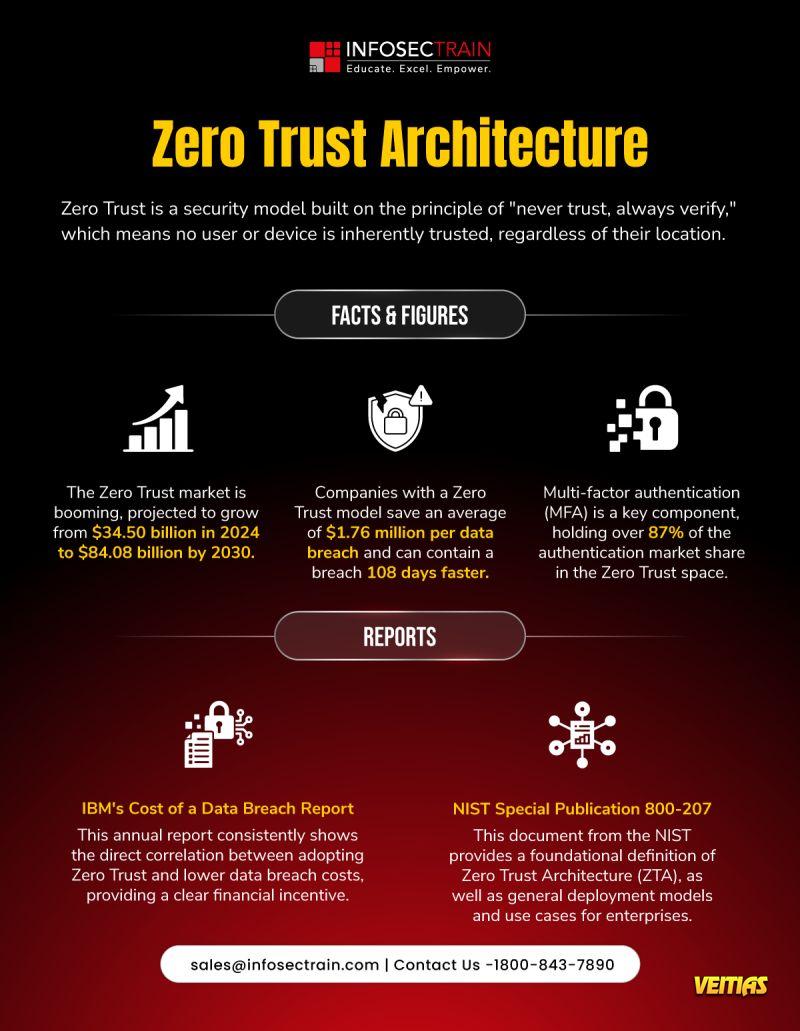
  • 𝐙𝐞𝐫𝐨 𝐓𝐫𝐮𝐬𝐭 𝐀𝐫𝐜𝐡𝐢𝐭𝐞𝐜𝐭𝐮𝐫𝐞: “𝐍𝐞𝐯𝐞𝐫 𝐭𝐫𝐮𝐬𝐭, 𝐚𝐥𝐰𝐚𝐲𝐬 𝐯𝐞𝐫𝐢𝐟𝐲.”
    No user or device is trusted by default — security starts with verification.

    The Zero Trust market is set to grow from $𝟑𝟒.𝟓𝐁 𝐢𝐧 𝟐𝟎𝟐𝟒 to $𝟖𝟒.𝟏𝐁 𝐛𝐲 𝟐𝟎𝟑𝟎. Companies adopting Zero Trust save an average of $𝟏.𝟕𝟔𝐌 𝐩𝐞𝐫 𝐝𝐚𝐭𝐚 𝐛𝐫𝐞𝐚𝐜𝐡 and contain incidents 𝟏𝟎𝟖 𝐝𝐚𝐲𝐬 𝐟𝐚𝐬𝐭𝐞𝐫.

    𝐌𝐮𝐥𝐭𝐢-𝐟𝐚𝐜𝐭𝐨𝐫 𝐚𝐮𝐭𝐡𝐞𝐧𝐭𝐢𝐜𝐚𝐭𝐢𝐨𝐧 (𝐌𝐅𝐀) leads the way, holding 87% of the authentication market share. Backed by 𝐍𝐈𝐒𝐓 𝐒𝐏 𝟖𝟎𝟎-𝟐𝟎𝟕 and 𝐈𝐁𝐌’𝐬 𝐂𝐨𝐬𝐭 𝐨𝐟 𝐚 𝐃𝐚𝐭𝐚 𝐁𝐫𝐞𝐚𝐜𝐡 𝐑𝐞𝐩𝐨𝐫𝐭 , Zero Trust isn’t just a framework — it’s the future of cybersecurity.

    Let’s make every connection a verified one — especially during 𝐂𝐲𝐛𝐞𝐫𝐬𝐞𝐜𝐮𝐫𝐢𝐭𝐲 𝐀𝐰𝐚𝐫𝐞𝐧𝐞𝐬𝐬 𝐌𝐨𝐧𝐭𝐡 𝟐𝟎𝟐𝟓.
    🔐 𝐙𝐞𝐫𝐨 𝐓𝐫𝐮𝐬𝐭 𝐀𝐫𝐜𝐡𝐢𝐭𝐞𝐜𝐭𝐮𝐫𝐞: “𝐍𝐞𝐯𝐞𝐫 𝐭𝐫𝐮𝐬𝐭, 𝐚𝐥𝐰𝐚𝐲𝐬 𝐯𝐞𝐫𝐢𝐟𝐲.” No user or device is trusted by default — security starts with verification. 📊 The Zero Trust market is set to grow from $𝟑𝟒.𝟓𝐁 𝐢𝐧 𝟐𝟎𝟐𝟒 to $𝟖𝟒.𝟏𝐁 𝐛𝐲 𝟐𝟎𝟑𝟎. 💰 Companies adopting Zero Trust save an average of $𝟏.𝟕𝟔𝐌 𝐩𝐞𝐫 𝐝𝐚𝐭𝐚 𝐛𝐫𝐞𝐚𝐜𝐡 and contain incidents 𝟏𝟎𝟖 𝐝𝐚𝐲𝐬 𝐟𝐚𝐬𝐭𝐞𝐫. ✅ 𝐌𝐮𝐥𝐭𝐢-𝐟𝐚𝐜𝐭𝐨𝐫 𝐚𝐮𝐭𝐡𝐞𝐧𝐭𝐢𝐜𝐚𝐭𝐢𝐨𝐧 (𝐌𝐅𝐀) leads the way, holding 87% of the authentication market share. Backed by 𝐍𝐈𝐒𝐓 𝐒𝐏 𝟖𝟎𝟎-𝟐𝟎𝟕 and 𝐈𝐁𝐌’𝐬 𝐂𝐨𝐬𝐭 𝐨𝐟 𝐚 𝐃𝐚𝐭𝐚 𝐁𝐫𝐞𝐚𝐜𝐡 𝐑𝐞𝐩𝐨𝐫𝐭 , Zero Trust isn’t just a framework — it’s the future of cybersecurity. 🛡️ Let’s make every connection a verified one — especially during 𝐂𝐲𝐛𝐞𝐫𝐬𝐞𝐜𝐮𝐫𝐢𝐭𝐲 𝐀𝐰𝐚𝐫𝐞𝐧𝐞𝐬𝐬 𝐌𝐨𝐧𝐭𝐡 𝟐𝟎𝟐𝟓.
    0 Comments 0 Shares 2493 Views 0 Reviews
  • Zero Trust: Verify Everything, Trust Nothing

    In a world where cyber threats are evolving fast, every user and device must be verified before access.

    The Zero Trust market is booming — from $34.5B in 2024 to $84.1B by 2030. Organizations implementing Zero Trust reduce breach costs by $1.76M and respond to incidents over 100 days faster.

    MFA dominates the authentication landscape, covering 87% of the market. Backed by NIST SP 800-207 and IBM’s breach data, Zero Trust is no longer optional — it’s essential.

    🛡 This Cybersecurity Awareness Month 2025, adopt Zero Trust principles and protect every connection.

    #ZeroTrust #CyberSecurity #MFA #DataProtection #InfoSec #NetworkSecurity #CyberAwareness #InfosecTrain #SecurityFramework
    🔐 Zero Trust: Verify Everything, Trust Nothing In a world where cyber threats are evolving fast, every user and device must be verified before access. 📈 The Zero Trust market is booming — from $34.5B in 2024 to $84.1B by 2030. Organizations implementing Zero Trust reduce breach costs by $1.76M and respond to incidents over 100 days faster. ✅ MFA dominates the authentication landscape, covering 87% of the market. Backed by NIST SP 800-207 and IBM’s breach data, Zero Trust is no longer optional — it’s essential. 🛡 This Cybersecurity Awareness Month 2025, adopt Zero Trust principles and protect every connection. #ZeroTrust #CyberSecurity #MFA #DataProtection #InfoSec #NetworkSecurity #CyberAwareness #InfosecTrain #SecurityFramework
    0 Comments 0 Shares 3577 Views 0 Reviews
  • Keep Your Inbox Safe: Master Email Security Protocols!

    Did you know that email is one of the most targeted attack vectors for hackers? From phishing scams to data breaches, unsecured emails can expose sensitive business and personal information.

    That’s why Email Security Protocols are your first line of defense.

    Key Protocols You Should Know:
    Authentication Protocols – SPF, DKIM, DMARC (Stop spoofing & ensure authenticity)
    Transmission Security Protocols – TLS, STARTTLS (Encrypt emails in transit)
    End-to-End Encryption Protocols – S/MIME, PGP (Protect content with encryption & signatures)

    Together, these protocols shield your emails from interception, forgery, and unauthorized access.

    Learn more about strengthening your email security: www.infosectrain.com

    #CyberSecurityAwareness #EmailSecurity #PhishingProtection #InfoSec #CyberDefense #SecureEmail #DataProtection #OnlineSafety #CyberHygiene #SPF #DKIM #DMARC #Encryption #InfoSecTrain
    📧🔐 Keep Your Inbox Safe: Master Email Security Protocols! Did you know that email is one of the most targeted attack vectors for hackers? From phishing scams to data breaches, unsecured emails can expose sensitive business and personal information. That’s why Email Security Protocols are your first line of defense. ✨ Key Protocols You Should Know: ✅ Authentication Protocols – SPF, DKIM, DMARC (Stop spoofing & ensure authenticity) ✅ Transmission Security Protocols – TLS, STARTTLS (Encrypt emails in transit) ✅ End-to-End Encryption Protocols – S/MIME, PGP (Protect content with encryption & signatures) 💡 Together, these protocols shield your emails from interception, forgery, and unauthorized access. 🔗 Learn more about strengthening your email security: www.infosectrain.com #CyberSecurityAwareness #EmailSecurity #PhishingProtection #InfoSec #CyberDefense #SecureEmail #DataProtection #OnlineSafety #CyberHygiene #SPF #DKIM #DMARC #Encryption #InfoSecTrain
    0 Comments 0 Shares 9320 Views 0 Reviews
More Results